Cars have long been more than just a way to get from one point to another. They represent freedom, independence, and personal style. Over time, cars have evolved from simple mechanical machines into highly sophisticated vehicles filled with advanced technology and features that transform how people drive, travel, and experience the world. Understanding how cars have changed and where they’re heading can help drivers make better decisions and appreciate the role automobiles play in everyday life.
The Heart of Mobility
For over a century, cars have revolutionized transportation by giving individuals control over their schedules and destinations. Unlike public transit, which runs on fixed routes and timetables, cars offer flexibility and convenience. This ability to travel independently has shaped everything from city planning to family routines.
At the core of every car is the drive to deliver safe, reliable mobility. Engineers and designers constantly work to improve performance, comfort, and efficiency, creating vehicles that suit a wide range of lifestyles—from compact models ideal for crowded streets to larger options that can handle rugged terrain or carry more passengers.
Evolution of Design and Comfort
Early cars were primarily functional, focusing on basic transportation needs. Today’s vehicles place equal emphasis on style and comfort. Sleek exteriors, ergonomic interiors, and customizable features allow drivers to express themselves while enjoying a smoother ride.
Modern cars also prioritize passenger experience. Climate control, sound insulation, and adjustable seating make long journeys more pleasant. Many vehicles now come equipped with digital displays, intuitive controls, and connectivity features that blend seamlessly with smartphones and other devices.
Safety as a Priority
Safety has become one of the most important aspects of car development. Over the years, innovations such as seatbelts, airbags, crumple zones, and advanced braking systems have significantly reduced injuries and fatalities. Today, technology goes even further by helping drivers avoid accidents altogether.
Many vehicles now feature systems that monitor surroundings, warn of potential collisions, or even take corrective action automatically. Lane-keeping assistance, adaptive cruise control, and blind-spot monitoring are just a few examples of features designed to protect drivers, passengers, and pedestrians alike.
The Role of Technology
Cars are increasingly becoming digital machines on wheels. Embedded sensors, cameras, and software work together to improve performance and safety. Infotainment systems offer navigation, entertainment, and communication at the touch of a screen or a voice command.
Connectivity also allows vehicles to receive updates over the air, improving functionality without requiring a trip to a service center. These advancements mirror the broader shift toward “smart” technology in everyday life, making cars an integral part of the connected world.
Environmental Considerations
As awareness of environmental issues grows, carmakers and drivers alike are paying closer attention to how vehicles affect the planet. Efforts to reduce emissions, improve fuel efficiency, and explore alternative power sources have gained momentum.
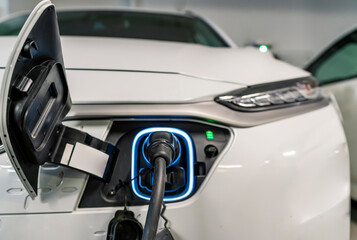
Electric and hybrid vehicles, for example, have emerged as viable alternatives to traditional engines. These models aim to lower carbon footprints and decrease reliance on fossil fuels. Meanwhile, innovations in materials and manufacturing processes are making cars lighter and more energy-efficient without sacrificing safety or comfort.
Maintenance and Longevity
Owning a car involves more than simply driving it. Regular maintenance is crucial to keep vehicles running smoothly and safely. Routine checks of oil, brakes, tires, and other systems help prevent costly repairs and extend a car’s lifespan.
Many drivers are also becoming more aware of how their driving habits affect vehicle health. Smooth acceleration, proper tire inflation, and regular cleaning can all contribute to better performance and reduced wear. This proactive approach not only saves money but also enhances safety and reliability.
The Shift Toward Autonomy
One of the most exciting developments in the automotive world is the rise of autonomous driving technology. While fully self-driving cars are still in development, many vehicles already feature semi-autonomous capabilities that assist with tasks like parking, lane centering, or traffic navigation.
The potential benefits of autonomous driving include increased safety, reduced traffic congestion, and greater accessibility for people who cannot drive themselves. However, this technology also raises questions about regulation, infrastructure, and ethics that society must address as it becomes more widespread.
Cars as Lifestyle Statements
Beyond transportation, cars often reflect personal identity. Color, design, and customization options allow owners to express their tastes and priorities. Some people prefer vehicles that emphasize performance and speed, while others focus on practicality, comfort, or eco-friendliness.
This diversity in preferences has led to a wide range of models and configurations, each catering to specific needs. Whether for daily commuting, family travel, outdoor adventures, or luxury experiences, there’s a car designed to match nearly every lifestyle.
Looking Ahead
The future of cars promises even greater innovation. As technology advances, vehicles may become cleaner, safer, and more connected than ever. Developments in battery technology, autonomous systems, and sustainable materials are likely to reshape the automotive landscape.
Cars may also play a central role in new forms of mobility, such as car-sharing services, integrated public transit, or smart city infrastructures. These changes could transform how people think about ownership, travel, and environmental responsibility.
Cars are more than machines; they’re companions on life’s journeys. From everyday commutes to cross-country road trips, they carry people to work, school, family gatherings, and adventures. Their evolution reflects society’s changing needs, values, and aspirations.
As we drive into the future, cars will continue to blend innovation, safety, and style. By staying informed about new technologies, practicing good maintenance, and considering the environmental impact of our choices, we can ensure that the next era of automotive history benefits both individuals and the planet.
In the end, cars symbolize freedom and possibility—rolling testaments to human ingenuity and our desire to move forward.